English
  Deutsch
  Español
  Türkçe
  Italiano
  Русский
  Français
  Português
  العربية
  Українська
  Nederlands
 An off-road motorcycle repair stand may look like a simple workshop accessory, but customers judge it through every lift, every maintenance task and every loading or storage movement.
For motorcycle accessory brands, importers and powersports distributors, the opportunity is not simply to add another stand to the catalogue. The real opportunity is to offer a product that fits the target motorcycle range, feels stable during use, matches the brand’s positioning and can be supplied consistently across repeat orders.
That is where OEM and ODM development becomes relevant.
At EZLEE, an off-road motorcycle repair stand project can begin with an existing model, a drawing, a physical sample or a new product concept. The objective is to develop a practical product that performs correctly in real use while remaining suitable for manufacturing, packaging and private-label distribution.

Where an Off-road Motorcycle Repair Stand Creates Real Value
Off-road motorcycles require regular maintenance because they operate in mud, dust, vibration and uneven terrain. Chain adjustment, wheel service, cleaning and underbody inspection are not occasional tasks. They are part of normal motorcycle ownership.
A repair stand gives the rider or technician a stable working position and better access to important areas of the bike.
Typical applications include:
- Chain cleaning, lubrication and adjustment
- Front and rear wheel service
- Tyre and tube replacement
- Brake inspection
- Suspension checks
- Lower-frame and skid-plate inspection
- Post-ride cleaning
- Dealership display and paddock preparation
For B2B buyers, this creates several possible customer groups.
A compact stand can be sold to motocross riders and home-garage users. A reinforced or adjustable model may be more suitable for workshops, racing teams and professional service businesses. The product can also be offered by motorcycle dealers as an accessory alongside a new dirt bike or enduro motorcycle.
This broad but clearly defined application range makes the category suitable for both specialist dealers and private-label powersports brands.

What Makes a High-Quality Off-Road Motorcycle Repair Stand?
A reliable off-road motorcycle repair stand is not defined by load capacity alone. For riders, workshops, and distributors, the real performance of a stand is measured throughout the entire usage process — from positioning the motorcycle, performing maintenance work, to transporting and storing the equipment after use.
A well-designed motocross repair stand should provide a balanced combination of stability, ease of operation, durability, and portability.
1. Easy and Safe Motorcycle Positioning
The first step in using a dirt bike stand is placing the motorcycle securely on the support platform. A quality stand should allow riders to position the bike quickly without unnecessary adjustment or difficulty.
The top platform needs sufficient contact area to support the motorcycle while avoiding interference with critical components such as the exhaust system, engine covers, foot controls, or frame parts. Features such as anti-slip rubber pads, textured surfaces, or protective contact areas help improve grip while reducing the risk of scratches or damage to the motorcycle.
Proper weight distribution is also essential. The motorcycle’s center of gravity should remain within the stand’s effective support area to prevent unwanted movement. A stand with high load capacity but poor support geometry may still create safety concerns during maintenance.
2. Stable Support During Motorcycle Maintenance
During repairs, cleaning, suspension work, or routine servicing, stability becomes the most important factor. A professional off-road motorcycle maintenance stand should keep the motorcycle securely supported while resisting rocking, twisting, and accidental movement.
The overall stability depends on several design factors, including:
- Platform height
- Base width
- Support structure
- Material strength
- Weight distribution
A higher working height can provide better access to components, but it also requires a wider and more stable base design. For adjustable or lever-operated motorcycle stands, the lifting mechanism should provide smooth and controlled movement, allowing users to raise the motorcycle with minimal effort while maintaining precise positioning.
For professional riders, repair shops, and racing teams, predictable operation and reliable support are essential to improving maintenance efficiency and workplace safety.
3. Easy Transport and Efficient Storage
An effective motocross repair stand must be durable enough for demanding environments while remaining practical to transport and store.
Off-road riders, racing teams, and service professionals often move equipment between garages, workshops, tracks, and paddocks. Therefore, factors such as product weight, handle design, folding structure, and packaging dimensions directly influence usability.
For distributors and retailers, a well-designed motorcycle stand also provides commercial advantages, including:
- Optimized carton size
- Improved pallet utilization
- Reduced warehouse space requirements
- Lower shipping costs
- Easier retail display
- Simplified customer assembly
The most successful motorcycle repair stands achieve the right balance between strength, stability, portability, and logistics efficiency—delivering value not only to end users but also to dealers and distribution partners.

Product Details That Define the Quality of an Off-Road Motorcycle Repair Stand
At first glance, many off-road motorcycle repair stands may appear similar in catalogue images. However, the differences become obvious after repeated use in workshops, garages, and racing environments.
For riders, distributors, and OEM buyers, product quality is determined by details such as support stability, structural reliability, operating performance, and long-term durability.
1. Support Platform Design: Stability Starts at the Contact Point
The support platform is the main connection between the motorcycle and the stand. A well-designed motocross repair stand should provide reliable support across different motorcycle models while maintaining safe weight distribution.
Key design considerations include:
- Platform length and width
- Rubber pad thickness and material quality
- Anti-slip performance
- Edge protection design
- Resistance to oil, wear, and workshop conditions
- Secure attachment of the rubber surface
A high-quality rubber pad should remain firmly fixed during repeated lifting and maintenance operations. Loose, thin, or poorly attached pads can reduce user confidence and create unnecessary wear on the motorcycle frame or skid plate.
2. Base Geometry: The Foundation of Safe Motorcycle Support
The base structure determines how stable the dirt bike stand remains during maintenance work.
An effective base design must consider real operating conditions, including:
- Motorcycle weight distribution
- Working height
- Operator input force
- Lever movement direction
- Floor contact area
- Side-to-side stability
While a compact base can reduce packaging size and shipping costs, excessive reduction of the footprint may negatively affect stability. Professional motorcycle stands require a balance between space efficiency and reliable support performance.
3. Lifting Mechanism: Matching Performance to User Applications
Different users have different expectations from a motorcycle maintenance stand. The lifting mechanism should be designed according to the intended application.
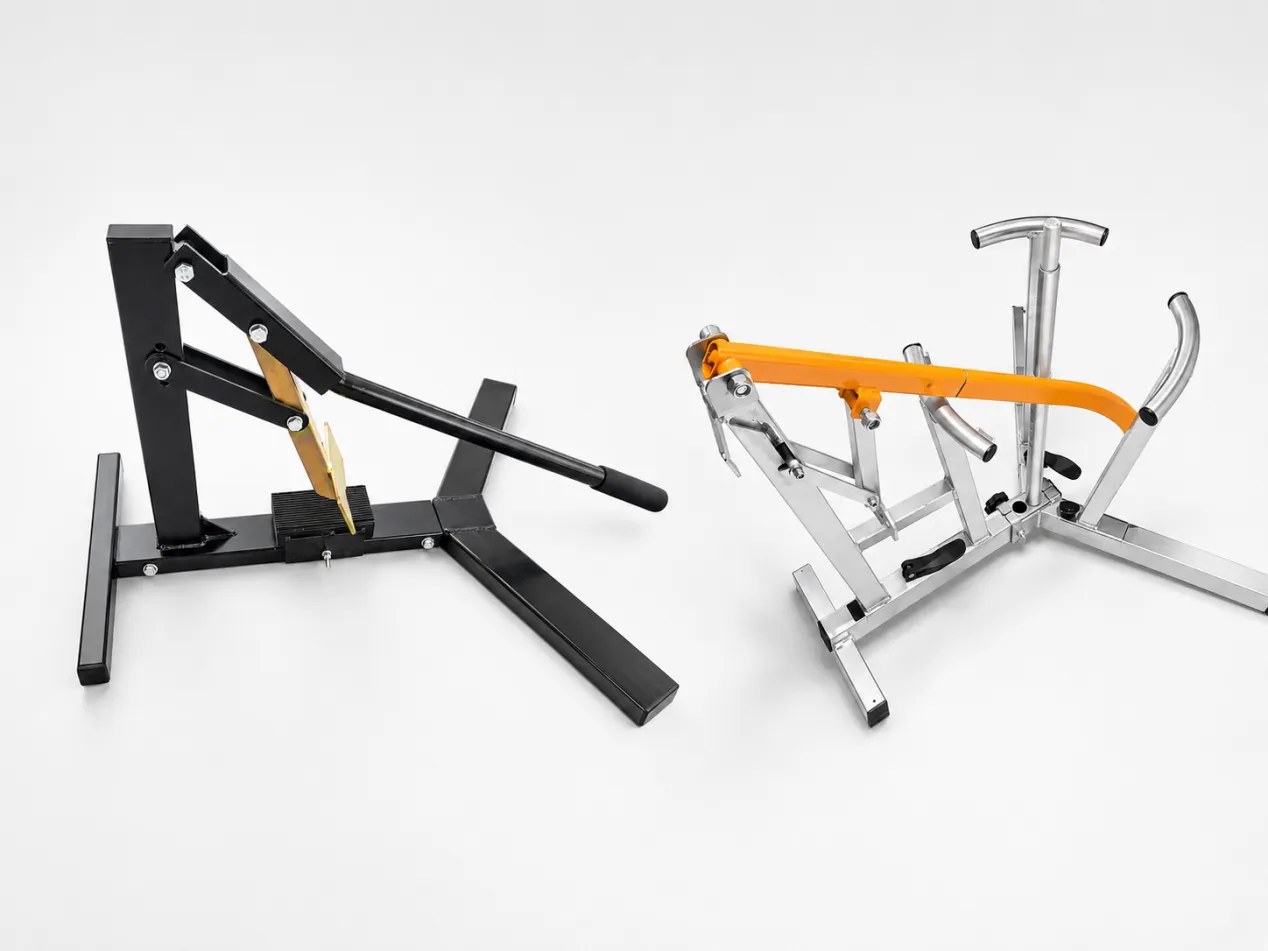
Common configurations include:
- Fixed-height support platforms
- Lever-operated lifting systems
- Foot pedal mechanisms
- Linkage structures
- Hydraulic lifting systems
For individual riders and racing teams, a simple lever-operated stand can provide fast and practical maintenance support in garages or paddocks. For professional workshops, adjustable-height or hydraulic models may offer better flexibility for frequent servicing and different repair requirements.
The key is ensuring smooth operation, predictable movement, and reliable load support throughout the lifting process.
4. Welded Structure and Connection Quality: Ensuring Long-Term Durability
For an off-road motorcycle repair stand, structural components experience repeated loading during lifting, maintenance, and transportation.
B2B buyers should evaluate critical areas such as:
- Weld consistency and penetration
- Alignment of structural joints
- Pivot point accuracy
- Fastener strength and security
- Spring and linkage connections
- Reinforced stress areas
These details directly affect product durability, manufacturing consistency, maintenance requirements, and potential warranty issues.
For OEM and private-label projects, consistent welding quality and repeatable production standards are especially important for maintaining brand reputation.
5. Surface Treatment: Protection and Professional Appearance
Most professional motorcycle stands use powder-coated steel because it provides a combination of mechanical strength, corrosion resistance, and attractive retail appearance.
A quality surface finish should remain consistent across:
- Welded areas
- Edges and corners
- Mounting holes
- Moving components
- Frequently handled surfaces
For distributors and private-label customers, colour consistency and coating quality are also important factors. A professional finish helps improve product presentation, supports brand positioning, and ensures consistent appearance across repeat orders.

Choosing the Right Off-Road Motorcycle Repair Stand Requires More Than Checking Load Capacity
A reliable off-road motorcycle repair stand is the result of multiple design factors working together — from the support platform and base structure to the lifting mechanism and surface treatment.
For manufacturers, distributors, and professional users, these details determine not only product performance but also customer satisfaction, repeat purchases, and long-term market competitiveness.
Choosing the Right Stand Structure for the Target Market
There is no single repair stand design that is ideal for every customer.
The right structure depends on the intended price level, application and sales channel.
| Product type | Typical user | Main commercial advantage |
| Fixed-height stand | Riders, garages, paddocks | Simple structure and easy storage |
| Lever-operated lift stand | Motocross riders and dealers | Quick lifting without a hydraulic system |
| Adjustable repair stand | Workshops and serious enthusiasts | More flexibility for different motorcycles |
| Hydraulic repair jack | Professional service environments | Controlled lifting and adjustable working height |
| Heavy-duty workshop model | Dealers and repair businesses | Higher durability for frequent use |
For a private-label brand, it may be more effective to develop two complementary models rather than trying to make one product serve every market.
For example:
- An entry-level lever stand for retail and paddock use
- A hydraulic or adjustable model for professional workshops
This creates a clearer product range and allows distributors to serve different customer budgets.
What Can Be Customized for an OEM or ODM Project
A private-label project can involve much more than changing the product colour.
Depending on the design and order requirements, the following areas may be customized.
| Product Structure | Materials and Finish | Brand Presentation | Packaging |
| · Overall dimensions · Base width and geometry · Platform size · Working height · Lifting range · Lever or pedal position · Handle shape · Reinforcement structure · Removable or folding components | · Steel tube or plate specifications · Material thickness · Powder-coated colour · Gloss or matte finish · Rubber contact surface · Fastener specification · Surface marking | · Logo label · Laser marking · Product nameplate · Warning labels · Specification label · Branded rubber pad · Instruction manual · Barcode and SKU information | · Neutral carton · Full-colour retail box · Customized artwork · Inner protection · Accessory bag · Multilingual manual · Pallet arrangement · E-commerce packaging |
These options allow the product to fit more naturally into the buyer’s existing motorcycle accessory range.

Building a Broader Motorcycle Maintenance Range
An off-road motorcycle repair stand can be sold as an individual product, but it can also support a broader motorcycle workshop or transport category.
Related products may include:
- Motocross lift stands
- Dirt bike hydraulic jacks
- Motorcycle wheel chocks
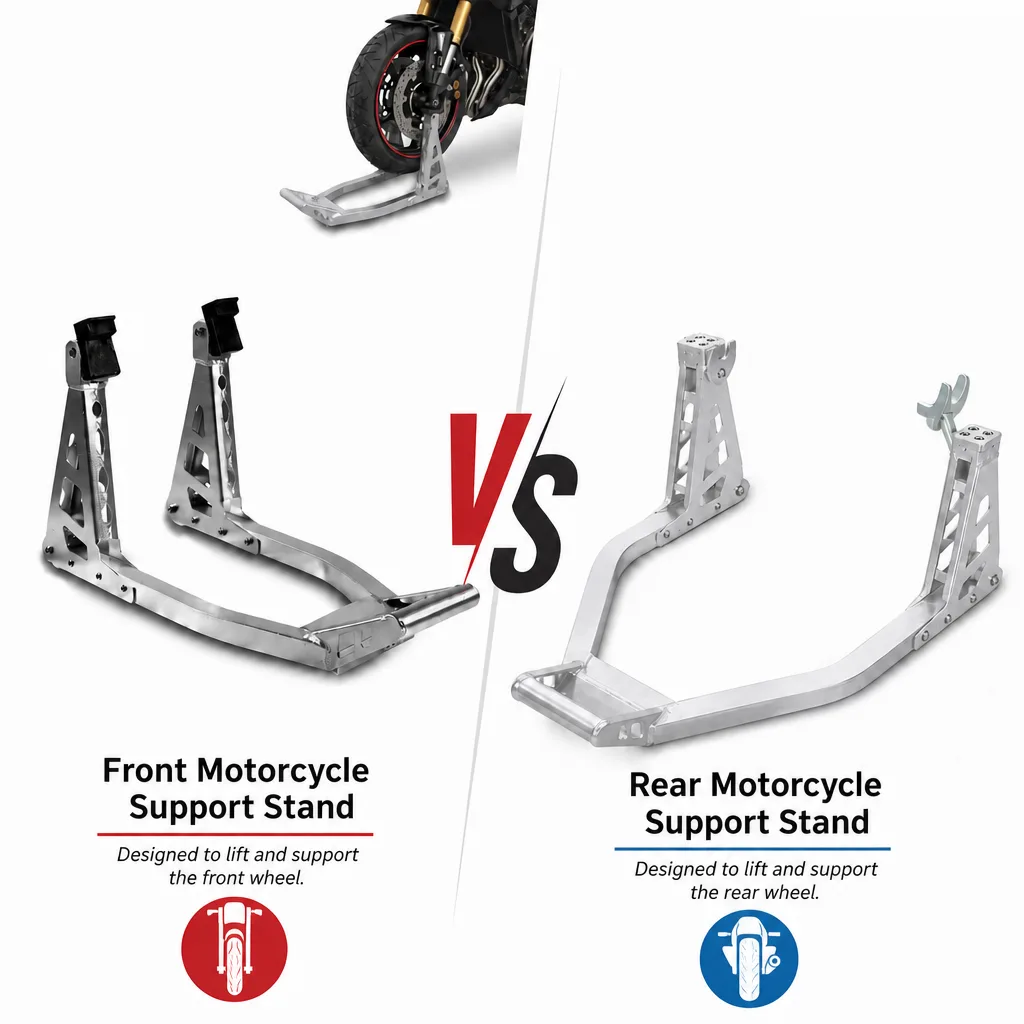
- Front and rear paddock stands
- Wheel balancers
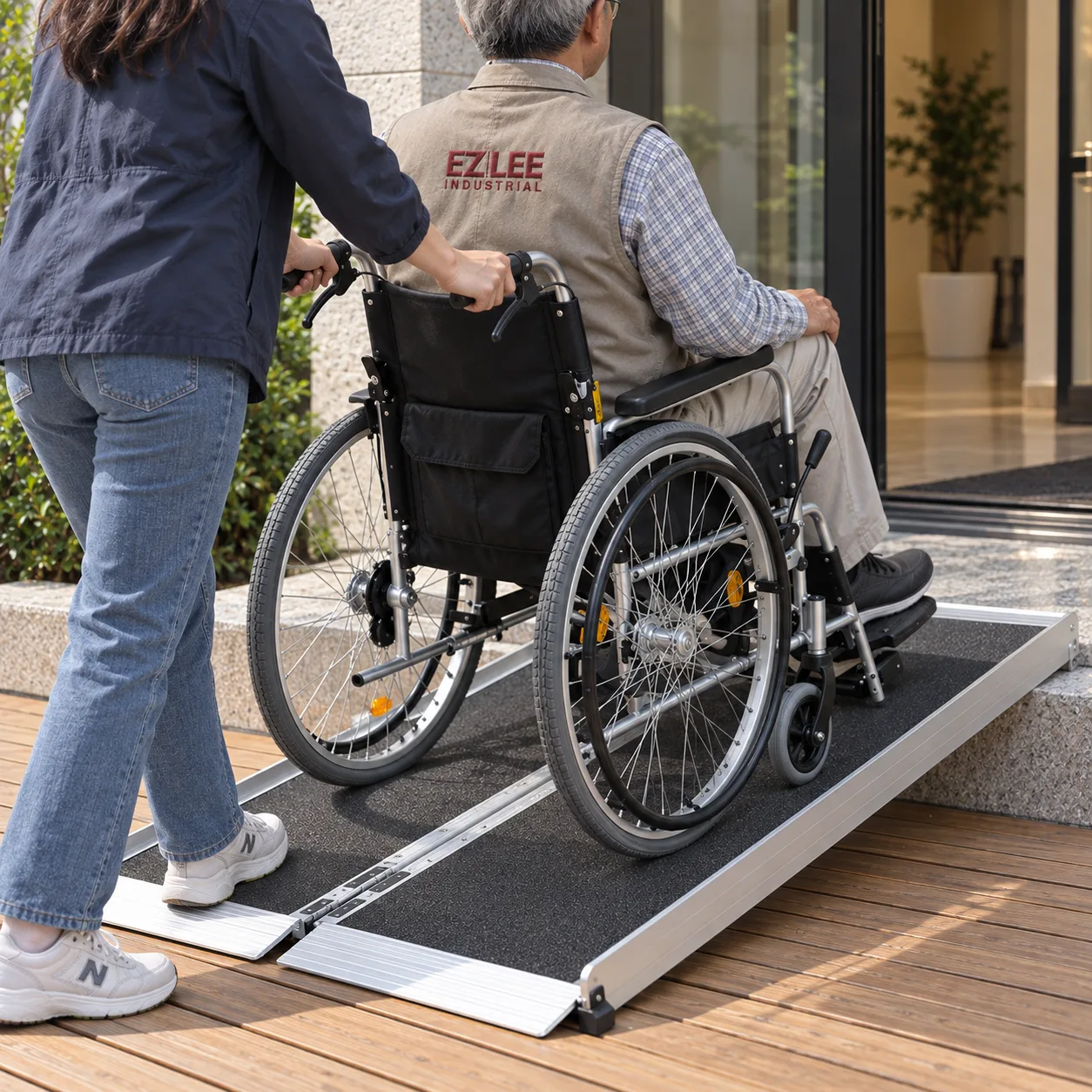
- Loading ramps
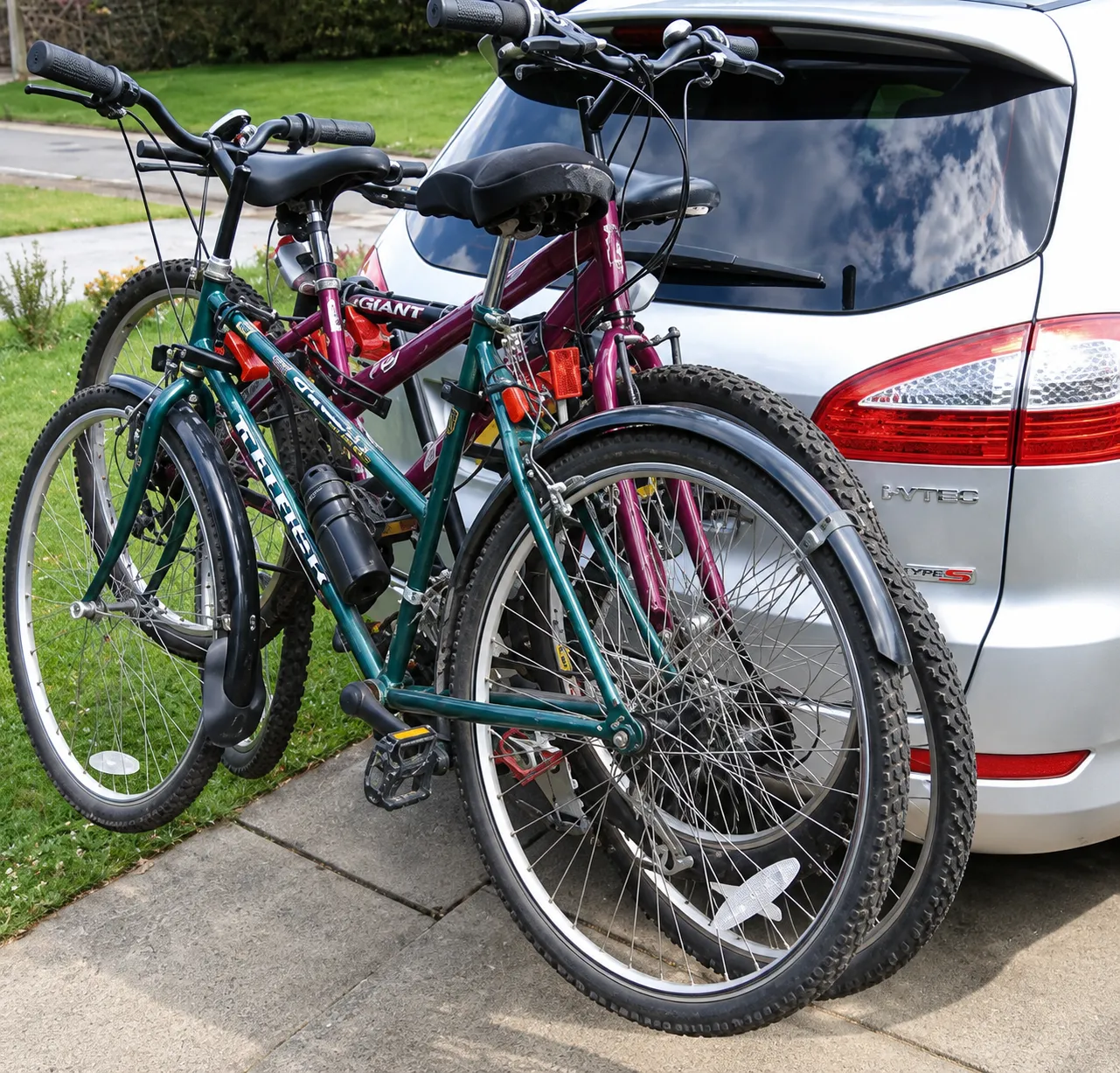
- Motorcycle carriers
- Tie-down equipment
For distributors and motorcycle accessory brands, sourcing several related products from one manufacturing partner can help improve:
- Product-line consistency
- Packaging coordination
- Quality communication
- Order consolidation
- Supplier management
- Private-label presentation
This can be particularly useful for brands building a complete off-road motorcycle maintenance range rather than selling one isolated product.
Develop Your Off–road Motorcycle Repair Stand with EZLEE
An off-road motorcycle repair stand must do more than support a motorcycle.
It needs to provide correct contact, stable operation, practical maintenance access, durable construction and packaging that works for the buyer’s sales channel.
Projects can begin with:
- A technical drawing
- A physical sample
- An existing product requiring improvement
- A competitor reference
- A target specification
- A new product concept
Our capabilities include steel fabrication, welding, powder coating, assembly, prototype development, product testing, customized packaging and bulk-order production.
An NDA can be signed before detailed product drawings, samples or unreleased project information are shared.
To develop an off-road motorcycle repair stand for your brand, contact EZLEE with your product reference, motorcycle application, required load capacity, working height, packaging requirements or target market. Our team will review the project and propose a practical OEM or ODM manufacturing solution.